

College life brings long days, tight budgets, and plenty of stress. Acne can make that routine even harder. Choosing skincare should feel simple, but endless product choices often create confusion.
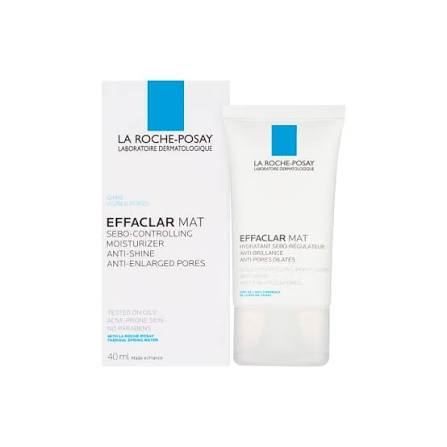
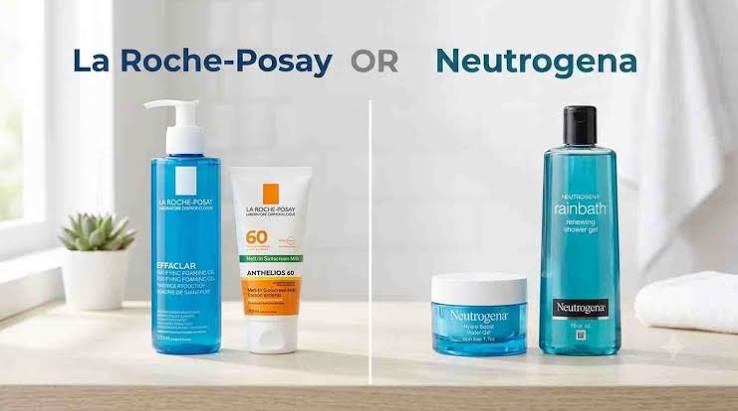
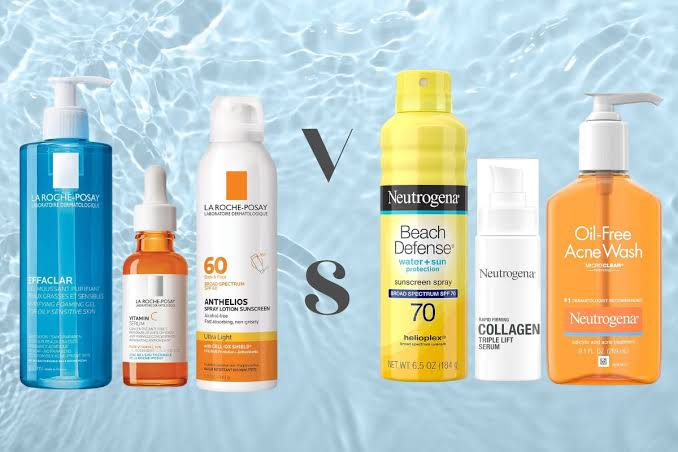
Two popular names are La Roche-Posay and Neutrogena. Both brands offer products for oily and acne-prone skin. Yet they take different approaches.
So, which one is better for a college student?
The answer depends on your skin, acne type, budget, and chosen formula. The brand alone does not determine results.
La Roche-Posay vs Neutrogena: The Basic Difference
La Roche-Posay often focuses on sensitive and problem-prone skin. Its products commonly emphasize gentle formulas and skin-barrier support.
Neutrogena has a broader mass-market approach. It offers many affordable cleansers, moisturizers, and acne treatments.
Both brands have useful options. Neither brand works perfectly for everyone.
The smarter approach starts with ingredients.
| Factor | La Roche-Posay | Neutrogena |
|---|---|---|
| Acne products | Many options | Many options |
| Sensitive skin | Strong focus | Product-dependent |
| Price | Often higher | Usually budget-friendly |
| Oily skin | Several suitable formulas | Several suitable formulas |
| Student budget | Moderate | Generally easier |
| Best selection method | Ingredients first | Ingredients first |
What Actually Matters for Acne?
A skincare label can look impressive. That does not guarantee better results.
For acne-prone skin, active ingredients deserve more attention.
Salicylic acid can help unclog pores. It is commonly used for blackheads and oily skin.
Benzoyl peroxide targets acne-causing bacteria. It can help with inflammatory pimples.
Adapalene is a topical retinoid used for acne treatment. It helps prevent clogged pores over time.
Niacinamide can support the skin barrier. It may also help with excess oil and redness.
The right ingredient depends on your acne. More active ingredients do not automatically mean better skincare.
Why La Roche-Posay Appeals to Acne-Prone Students
La Roche-Posay has built a strong reputation around sensitive skin. That can matter when acne treatments leave skin dry or irritated.
Some acne-prone people also experience sensitivity. Their skin may react to fragrance, harsh cleansing, or excessive exfoliation.
A gentle routine can therefore make sense.
La Roche-Posay also offers different textures. This helps people choose products based on oily, combination, or sensitive skin.
However, expensive does not mean automatically superior.
A La Roche-Posay product may work beautifully for one student. Another student may get similar results from a cheaper alternative.
The formula remains the key factor.
Where Neutrogena Can Make More Sense
Neutrogena is often attractive to students because of accessibility and price.
College budgets can be tight. Spending heavily on every skincare step may not be practical.
Neutrogena offers cleansers, moisturizers, sunscreens, and acne-focused products across different price points.
That makes building a simple routine easier.
Some students may also prefer fewer steps. A basic cleanser, moisturizer, and sunscreen can provide a practical foundation.
The same rule still applies.
Do not choose a product simply because the brand is famous. Check its ingredients and intended use first.
Which Is Better for Sensitive Acne-Prone Skin?
This is where the comparison becomes more personal.
Sensitive skin can become uncomfortable when acne treatments are too aggressive. Burning, excessive dryness, peeling, or persistent redness can signal irritation.
La Roche-Posay may appeal to people who prioritize gentle skincare. Its range includes products designed with sensitive skin in mind.
But Neutrogena also has gentle products.
Therefore, the individual formula matters more than the logo on the bottle.
If your skin reacts easily, introduce one new product at a time. That makes it easier to identify the source of irritation.
Avoid changing your entire routine overnight.
Which Brand Is Better for Oily Skin?
Oily skin needs balance.
Many students make the mistake of trying to remove every trace of oil. Strong cleansing can leave the skin feeling tight.
That can encourage an endless cycle of cleansing and irritation.
Look for a cleanser that removes excess oil without leaving your face uncomfortable.
Lightweight moisturizers can also work well for oily skin. Moisturizer remains useful even when your skin produces plenty of oil.
Both La Roche-Posay and Neutrogena offer lightweight skincare options.
Again, compare formulas rather than choosing based on brand reputation.
A Simple Acne Routine for College Students
You do not need ten products.
A simple routine is easier to follow during busy semesters.
Morning Routine
Step 1: Cleanse gently.
Use a cleanser suited to your skin type.
Step 2: Moisturize lightly.
Choose a non-comedogenic option when appropriate.
Step 3: Apply sunscreen.
Daily sun protection helps protect your skin.
Night Routine
Step 1: Clean your face.
Remove sweat, oil, sunscreen, and makeup.
Step 2: Use your acne treatment.
Choose an appropriate active ingredient.
Step 3: Moisturize.
This can help reduce excessive dryness.
Keep the routine consistent.
Adding several acne treatments at once can cause unnecessary irritation.
What About the College Student Budget?
Price can strongly influence the decision.
La Roche-Posay products often sit at a higher price point. Neutrogena usually provides more budget-friendly choices.
However, the cheapest routine is not always the best routine.
A product that irritates your skin can lead to more purchases. You may then buy additional products to fix the irritation.
A smaller routine can sometimes save more money.
Spend your budget on products that serve a clear purpose.
You usually do not need a separate product for every skin concern.
La Roche-Posay vs Neutrogena: My Practical Verdict
There is no universal winner.
Choose La Roche-Posay if gentle, sensitive-skin-focused formulas are your priority and the price fits your budget.
Choose Neutrogena if affordability, accessibility, and straightforward acne products matter most.
For many college students, Neutrogena can be the easier starting point financially.
For students with sensitive or easily irritated skin, La Roche-Posay may be worth considering.
But neither choice guarantees clear skin.
Acne has different causes and patterns. Your skin may respond differently from someone else’s.
The best strategy is simple: identify your skin needs, check the active ingredients, and introduce products gradually.
Common Mistakes Students Should Avoid
Too many products can overwhelm irritated skin.
Over-washing can cause dryness and discomfort.
Skipping moisturizer can make treatment harder to tolerate.
Changing products quickly makes results difficult to judge.
Picking products blindly wastes both money and time.
Give a new routine reasonable time unless severe irritation develops.
If acne is painful, severe, scarring, or persistent, professional medical advice can help. A dermatologist can recommend treatments based on your specific acne pattern.
Frequently Asked Questions
Is La Roche-Posay better than Neutrogena for acne?
Not universally. Both brands offer useful acne and skincare products. The specific ingredients and your skin type matter more than the brand.
Is Neutrogena good for acne-prone skin?
Yes, several Neutrogena products are designed for acne-prone or oily skin. Always check the individual product rather than judging the entire brand.
Is La Roche-Posay good for sensitive acne-prone skin?
It can be a good option for people who prioritize gentle skincare. However, individual formulas can still affect people differently.
Which is cheaper for college students?
Neutrogena generally offers more budget-friendly options. Prices vary by product, retailer, and location.
Should I use several acne products together?
Usually, simplicity is better when starting. Combining multiple strong acne treatments can increase dryness and irritation.
When should I see a dermatologist?
Consider professional advice when acne becomes painful, severe, persistent, or starts causing scars. A dermatologist can create a treatment plan for your skin.
Final Takeaway
La Roche-Posay and Neutrogena can both fit an acne-prone skincare routine.
The better choice depends on your skin and your budget.
For college students, a simple routine often works best. Focus on proven ingredients, gentle cleansing, moisturizing, and daily sun protection.
Do not let a higher price convince you that a product must work better.
Your skin needs the right formula, not the most expensive bottle.
Read more:Connections Answer Mashable: Hints, Tips and Daily Guide